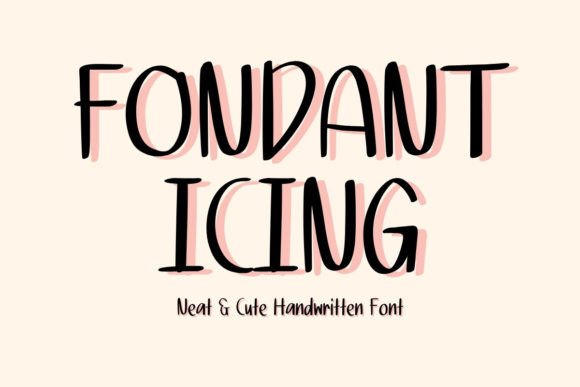
Fondant Icing: A Handwritten Font for Creative Expression
Fondant Icing is more than just a font—it’s a creative tool that brings warmth, personality, and charm to your design projects. Whether you're crafting invitations, designing logos, or creating digital content, this elegant handwritten font adds a unique touch that stands out in a sea of standard typography. Its soft curves and flowing lines evoke the feel of handwritten notes, making it ideal for those who want to infuse their work with a personal and artistic flair.
Why Use Fondant Icing?
Fondant Icing is designed with versatility in mind. It's not just for one-time use; it’s a font that can adapt to a wide range of applications. From stationery to social media graphics, its ability to blend seamlessly into both digital and print formats makes it a go-to choice for designers and creators alike. The font’s natural flow and consistent style ensure that your text looks cohesive and professional, even when used in different contexts.
Where Can You Use Fondant Icing?
The beauty of Fondant Icing lies in its broad applicability. Here are some common scenarios where this font shines:
- Invitations and Event Graphics: Whether it's a wedding, birthday, or corporate event, Fondant Icing adds a touch of elegance and sophistication to your invitations. Its handwritten style feels personal and heartfelt, perfect for making guests feel special.
- Logos and Branding: Small businesses and entrepreneurs often use custom fonts to create memorable brand identities. Fondant Icing offers a stylish alternative to traditional sans-serif or serif fonts, helping your logo stand out and feel more approachable.
- Merchandise and Packaging: If you run a boutique or sell handmade products, adding Fondant Icing to your packaging or product tags can elevate the overall aesthetic. It gives your items a handcrafted, artisanal look that appeals to customers looking for unique, personalized touches.
- Digital Content: Bloggers, social media creators, and educators can use Fondant Icing in their posts, slides, or downloadable resources. Its readability and visual appeal make it suitable for both short captions and longer texts, ensuring your content remains engaging and easy to read.
- Art Prints and Stationery: For those who enjoy creating art or designing greeting cards, Fondant Icing offers a beautiful way to add text to your visuals. It works especially well with watercolor, ink, or mixed media designs, enhancing the overall composition.
Who Benefits from Using Fondant Icing?
Fondant Icing is not limited to professional designers. It’s equally valuable for hobbyists, small business owners, and everyday users who want to add a personal touch to their projects. Here’s how different groups can benefit:
Creatives and Artists: If you're an artist or designer, Fondant Icing can help you create more visually appealing compositions. It allows you to express your creativity without being constrained by rigid typographic rules.
Entrepreneurs and Small Business Owners: For those running a side hustle or starting a new business, using Fondant Icing in branding materials can differentiate your brand from competitors. It helps build a unique identity that resonates with your target audience.
Bloggers and Educators: Adding a handwritten font like Fondant Icing to your blog headers, lesson plans, or printable worksheets can make your content feel more relatable and inviting. It's a great way to connect with your audience on a more personal level.
Hobbyists and Everyday Users: Even if you're not a professional, Fondant Icing can enhance your personal projects. Whether it's a handmade card for a friend or a decorative sign for your home, this font adds a sense of care and attention to detail.
What to Consider Before Using Fondant Icing
While Fondant Icing is versatile and user-friendly, there are a few things to keep in mind before incorporating it into your projects:
- Compatibility: Make sure the font works with your preferred design software. Most major programs like Adobe Illustrator, Photoshop, and Canva support custom fonts, but it’s always good to double-check.
- Readability: Although Fondant Icing has a charming appearance, it may not be the best choice for long-form text or body copy. Use it strategically to highlight key messages rather than as the primary font in large blocks of text.
- License Agreement: Always review the license agreement before downloading or using the font. Some fonts come with restrictions on commercial use, so it’s important to understand what you’re allowed to do with the font.
- Consistency: To maintain a cohesive look, pair Fondant Icing with complementary fonts for headings, subheadings, and body text. This ensures your design remains balanced and visually appealing.
- Testing: Before finalizing your project, test the font in different sizes and colors to ensure it looks good in various contexts. This helps avoid any unexpected issues when printing or sharing your work.
Real-World Applications and Outcomes
Fondant Icing isn’t just a font—it’s a tool that can transform your creative output. Imagine using it to design a custom wedding invitation that feels personal and heartfelt, or to create a set of social media graphics that capture the essence of your brand. These real-world applications show how the font can make a meaningful impact in both personal and professional settings.
For educators, using Fondant Icing in classroom materials can make learning more engaging. A hand-written font might help students feel more connected to the content, especially when working on creative writing or art projects. Similarly, for bloggers, incorporating this font into headers or call-to-action buttons can draw more attention and encourage clicks.
In commercial settings, Fondant Icing can be used to create eye-catching signage, product labels, or promotional materials. Its stylish and neat handwriting makes it ideal for branding that needs to be both professional and approachable.
Ultimately, the key to successfully using Fondant Icing lies in understanding its strengths and limitations. When used thoughtfully, it can enhance your designs, convey your message more effectively, and leave a lasting impression on your audience.